A Visit From The Ministry of Transportation of the Republic of Indonesia Shows Commitment to Sustainability in Technical Schools
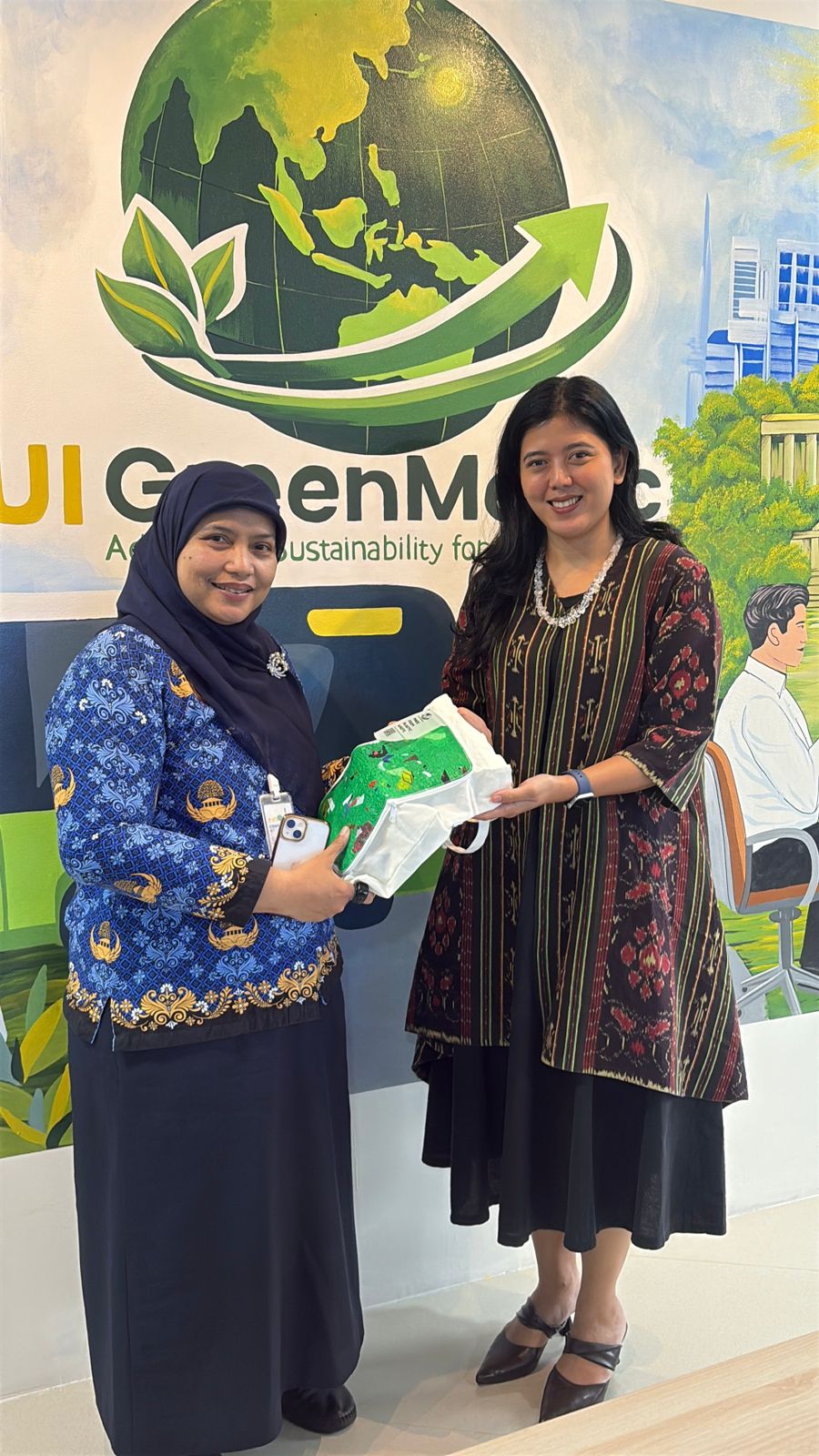
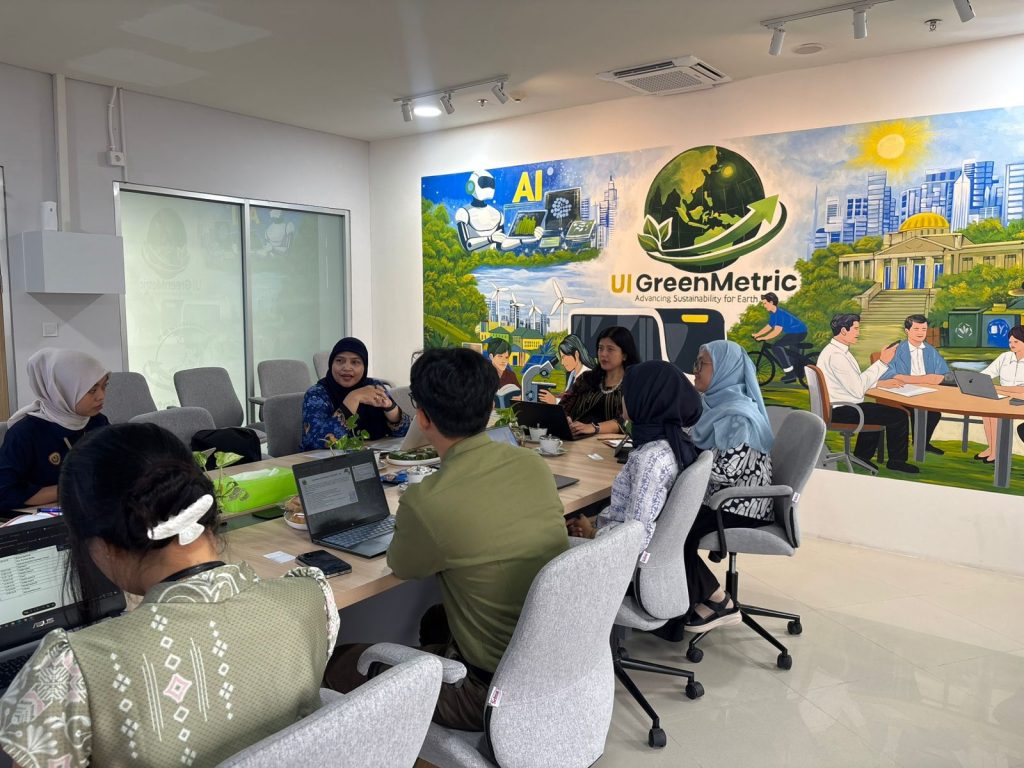
Depok, 7th of May, 2026 – UI GreenMetric hosted an official audience with the Ministry of Transportation of the Republic of Indonesia at the UI GreenMetric meeting room, located on the 5th floor of the Science Techno Park Building, Universitas Indonesia. The meeting serves as a strategic signal of the Ministry’s commitment to embedding sustainable practices across its extensive network of technical schools and higher education institutions nationwide. Dr. Nila Mutia, S.Pd., MT The delegation from the Ministry of Transportation (Kemenhub) was led by Nila Mutia, from the Secretariat of the Transportation Human Resources Development Agency, who presented the session titled "Green Campus Transformation: Pushing BPSDMP Transportation Higher Education Institutions Towards Sustainable Campuses". The visit aimed to obtain a comprehensive understanding of UI GreenMetric indicators and assessment mechanisms, while gaining strategic guidance for the development of a Green Campus roadmap across the Ministry's educational institutions. Furthermore, the audience focused on establishing collaborations and exchanging best practices for sustainable campus development with relevant stakeholders.
Currently, the Ministry of Transportation oversees 27 educational institutions, consisting of 20 Polytechnics, 1 High School (Sekolah Tinggi), 1 Academy, and 4 Centers (Balai). These institutions are strategically spread across various sectors, including 12 in the Maritime sector, 8 in the Aviation sector, 5 in the Land sector, and 1 in the Railway sector. A notable example of progress is the Indonesian Railway Polytechnic (PPI) Madiun, which is already active in the UI GreenMetric rankings and achieved a national rank of 66th in 2024. To further this commitment, the Ministry has outlined a "Green Campus" Roadmap that includes establishing policy foundations, identifying priority campuses based on land and HR readiness, and implementing a monitoring system based on UI GreenMetric indicators such as energy, water, waste, transportation, and education.
Furthermore, the meeting highlighted that transportation is a vital pillar of implementing sustainability in campus environments. Within the UI GreenMetric frameworks, "Transportation" is a key category that assesses how institutions manage carbon footprints through green commuting, pedestrian-friendly policies, and the use of low-emission vehicles. As the Ministry of Transportation oversees institutions specifically dedicated to these disciplines, this collaboration presents a strategic opportunity to synergize academic policy with industrial expertise. By integrating Kemenhub’s specialized schools into the ranking system, both parties aim to establish a new benchmark for sustainable mobility, ensuring that Indonesia’s transportation sector's future is built on a foundation of environmental responsibility and resource efficiency.
The discussion emphasized the importance of tailoring sustainability indicators to the unique operational requirements of technical and vocational campuses. UI GreenMetric, as a native Indonesian measurement system launched by Universitas Indonesia in 2010, offers a proven and quantifiable framework that now covers 1,745 universities across 105 countries. This global recognition makes UI GreenMetric an ideal partner for the Ministry to benchmark its institutions against international standards while addressing local challenges such as energy efficiency in maritime and aviation training centers.
The meeting marks a vital starting point for integrating measurable sustainability into the governance of specialized higher education. Through this synergy, UI GreenMetric aims to assist the Ministry of Transportation in transforming its technical schools into centers of excellence that are not only academically and technically proficient but also environmentally responsible. This collaboration is expected to accelerate the realization of a green transportation ecosystem in Indonesia, driven by a future workforce that is deeply rooted in sustainable values.
Written by Muhammmad Dito Rizki Suprapto - Media Relations Intern of UI GreenMetric
Edited by Riska Putri Hariyadi - Communications Coordinator of UI GreenMetric
Documentation: